
Wholesale vetting and retail vetting are different questions
"Kurma supplier" gets used for two very different businesses in Malaysia: the wholesaler shipping pallets to shops and hotels, and the retail-facing seller a household orders a kilogram or two from online. The checks that matter change depending on which one you're dealing with. A wholesale buyer cares about minimum order quantity, repacking standards, and consistency across a bulk shipment. A retail buyer cares about whether the exact bag that arrives at their door is fresh, correctly labelled, and easy to return if it isn't.
What a retail-facing seller should show you
An actual harvest or packing date
Retail packaging that only says "best before" without a packing date makes it impossible to know how long the dates have already been sitting in a warehouse before your order. A seller who prints both is being more transparent than one who prints neither — that's a simple, checkable difference, not a marketing claim.
Consistent grading language
Grades like Jumbo, Super, or AA mean different things depending on which supplier assigned them — there's no single Malaysia-wide standard. A seller worth reordering from uses the same grading language across every listing rather than switching terms product to product, which makes it possible to compare their own stock over time even if you can't compare it directly to a competitor's.
A workable return path for perishable stock
Dates are perishable enough that "no returns on food items" as a blanket policy should raise a question, not be accepted at face value. A seller confident in their cold-chain handling will usually offer some form of replacement for genuinely damaged stock — ask before ordering in bulk, not after a bag arrives fermented.
Where wholesale questions start to matter
Once an order moves from a household kilogram to a business buying in bulk — a bakery, a hotel kitchen, a gift-hamper business — the questions shift toward MOQ, repacking capability, and whether the same grade will be available consistently across a year of reorders. That's a longer conversation than a retail purchase, and it's covered in more depth in our commercial buying guide for bulk pembekal kurma, and in a wider look at how Kurma supplier in Malaysia vetting works across both retail and wholesale channels.
Comparing local and imported stock
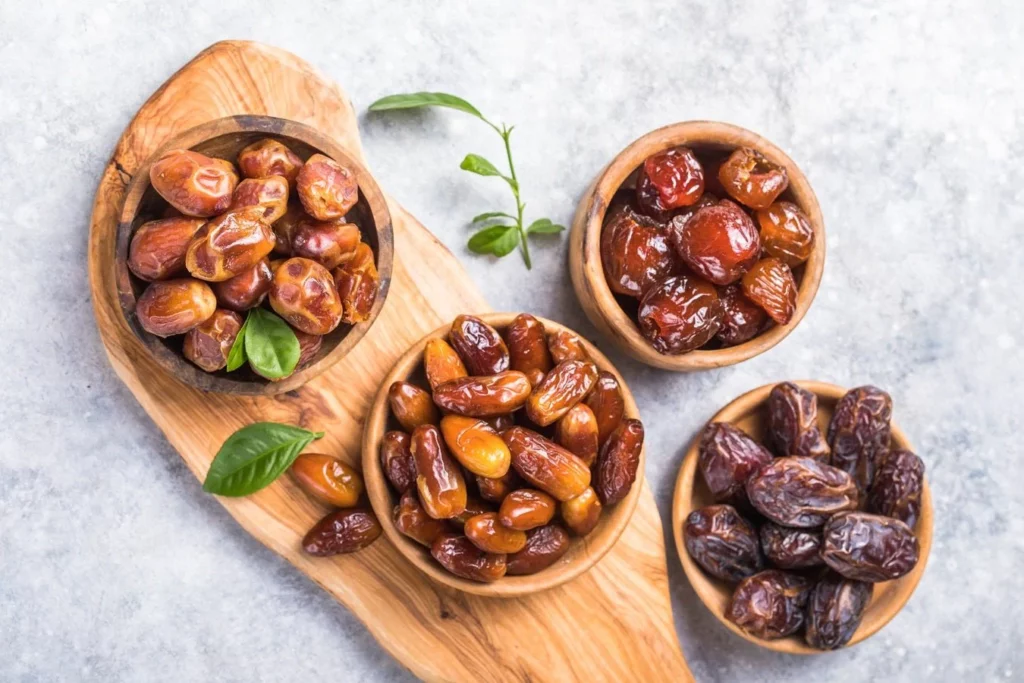
Malaysian retail shelves mix imported varieties — Medjool, Ajwa, Mariami — with dates repacked locally, and it isn't always obvious which is which from the packaging alone. Our local-vs-imported comparison and our broader buying guide for quality kurma both go into how to tell them apart at the point of purchase, beyond just variety names on a label.
The short version
A retail buyer and a wholesale buyer are asking a supplier to prove two different things. Know which one you are before you start comparing sellers — the criteria that matter for a two-kilogram home order aren't the same ones that matter for a hundred-kilogram commercial contract.