
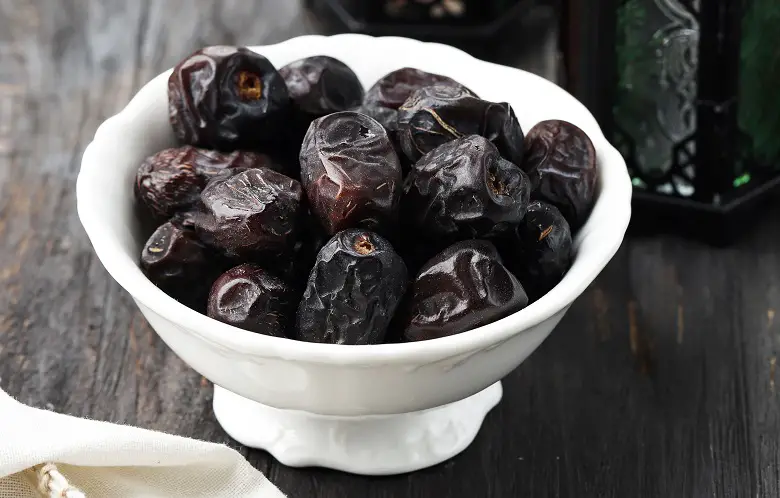
Buying kurma in Malaysia: how to tell local from imported at the shelf
Most Malaysian date shelves mix two things without labeling the difference clearly: dates grown or repacked domestically, and dates imported whole from the Middle East or Iran. A pemborong kurma malaysia selling both isn't doing anything wrong — but a buyer who can't tell which is which usually ends up either overpaying for a repack or underestimating the price of a genuine import.
Packaging tells you more than the label does
Loose dates sold by weight from an open carton are almost always repacked stock — someone broke down a bulk import or bought in from a regional distributor and bagged it locally. Sealed retail packaging with a country-of-origin stamp, a lot number, and consistent sizing inside the bag is a stronger sign of a direct import that hasn't changed hands since customs. Neither is automatically better quality, but the price should track the difference: repacked loose stock is usually cheaper per kilogram than an intact, sealed import carton of the same variety.
What "fresh stock" actually means at retail
A shop advertising "fresh" dates is almost never talking about rotab-stage fruit — that's a specialty, short-shelf-life product sold separately and refrigerated. For standard dried varieties, "fresh" at retail usually means recently repacked, not recently harvested. Ask when the carton was opened, not when the fruit was picked; the answer tells you more about how long the dates have been exposed to air and humidity.
Price ranges worth knowing before you buy
Medjool sold as sealed import typically sits well above Deglet Noor or standard Sayer, reflecting size, softness and import cost rather than any inherent superiority. Local or repacked stock of a comparable variety usually undercuts a sealed import by a noticeable margin per kilogram, since packaging and a second round of handling add to the sealed product's price. If a "premium Medjool" price looks close to a repacked local variety's price, ask which import batch it came from — a mismatch usually means one of the two labels is wrong.
Buying smart without overthinking it
For everyday snacking, repacked local stock of a solid mid-tier variety is usually the better value. For gifting or a specific recipe that calls out a variety by name, a sealed import is worth the premium because you know exactly what you're getting. New buyers unsure where to start can read this full guide to buying quality kurma in Malaysia, and anyone buying in volume for an event or a business should compare against wholesale pricing and bulk-buying terms before committing to a retail-priced order. Buyers comparing supplier options generally can also check what the wider Malaysian kurma supplier market looks like.
The label "local" or "imported" isn't a quality claim by itself. It's a supply-chain fact that should show up in the price — and once you know what to look for on the packaging, it's easy to check.