
Buying Jenis2 Kurma to resell is a different job from buying a box for the family. For a reseller, the question is not just whether a date tastes good. It is whether customers will buy it, how long it keeps on your shelf, and whether it survives the trip from supplier to shop. Online buying fits some varieties far better than others.
Start with who buys from you
Most stock decisions come back to three kinds of customer. For everyday buyers, Mariami is one of the most popular dates in Malaysia. It comes from Iran, it is soft and fleshy with a caramel-like sweetness, and it sells as both a daily date and a gift. Gift buyers lean towards large, good-looking fruit, such as Medjool from Palestine and Jordan in the jumbo sizes, or Ajwa from Madinah in a high grade.
The third group arrives just before Ramadan and asks for kurma tangkai. That is usually Deglet Noor from Tunisia, sold still on the stalk. If your sales jump at that time of year, our post on how distributors handle kurma tangkai is worth reading before you place the order.
Shelf life decides how much you can hold
A reseller carries stock for weeks, so moisture matters more to you than to a home buyer. Rotab Mazafati from Bam in Iran is a wet, near-black date that is normally kept chilled. Only take it on if you have fridge space for it. Mariami and Ajwa are soft and want sealed packing once a carton is opened.
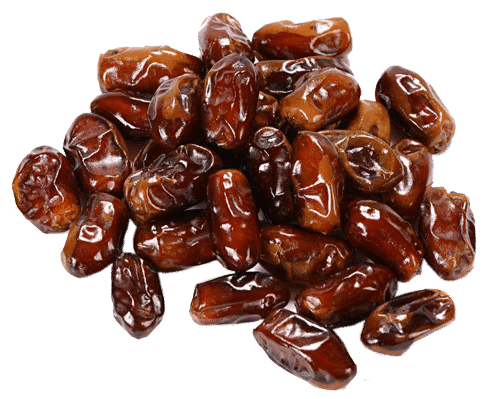
Deglet Noor is semi-dry. Its flesh is a translucent gold, the texture is chewy, and the sweetness is light and not sticky. It holds its shape well and is the easiest of these to keep in stock. Sayer, an Iranian date also sold as Stamaran, is semi-moist and known for storing and exporting well. Our tips on storing Sayer dates apply to most semi-moist stock.
Is buying stock online a good idea?
For a small or new reseller, often yes. There are numerous types of dates to choose from, and comparing several suppliers online takes an afternoon instead of a week of visits. When purchasing dates online, look for reviews from other trade buyers that mention how cartons arrived, not just how the dates tasted.
The risk is that you cannot open a carton before it ships. The usual fix is a small trial order from any new supplier before a large one. It may cost more per kilo, and it saves you from a full carton you cannot sell.
What to settle with a supplier first
Ask what their grade means. Ajwa grading is not standardised, and each supplier may use AA, AAA, jumbo or "premium" in their own way. For Mariami, grade mostly reflects size and how even the fruit is. Ask when the batch was packed, how soft varieties are sealed, and what happens if a carton arrives crushed. A supplier who has no answer to that last question is a risk.
Our Malay-language guide to buying kurma in bulk for resale covers pricing and supplier terms in more depth.
Once the cartons arrive
Split soft dates into smaller sealed packs as soon as you open a carton, and keep anything you will not sell soon in the fridge. Semi-dry stock like Deglet Noor and Sayer can stay in closed containers somewhere cool and dry. Keep each variety in its own container so each one stays at its own texture.
Before the next order, check which varieties sold through and which sat. Then reorder from the supplier whose cartons arrived as fresh and high-quality dates, not the one with the lowest price on the listing.