
Buying dates online in Malaysia is a simple swap. You give up pressing the fruit at a stall, and in return you save a trip and see more of what is on offer. Whether the swap works depends on how you order, so this page goes through it in the order you will meet it: choosing a variety, judging freshness from a listing, comparing sellers, and unpacking.
Start with the variety, then look at the price
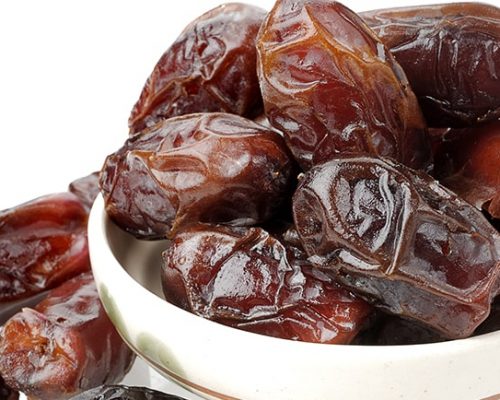
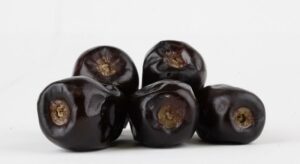
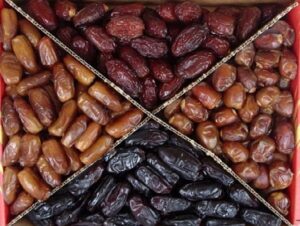
Every date sold in Malaysia is imported, so a good listing tells you where the fruit comes from. Ajwa comes from Madinah. It is small, roundish and near-black, with finely wrinkled skin and soft flesh. Sukari, from Al-Qassim in Saudi Arabia, is golden-amber and very sweet. Deglet Noor comes from Tunisia or Algeria; when it is sold still on the stem, Malaysian sellers call it kurma tangkai. Large, very soft Medjool dates have a rich caramel taste, and the variety first came from Morocco.
A page that names the variety and the country plainly is easier to trust than one that only says "premium dates". If the origin is missing, ask before you pay.
What "fresh" means when you can't touch the fruit
Sellers use two ripeness words. Rutab, often spelt rotab, is the soft, fresh-ripe stage. Tamr, or tamar, is the fully ripe and drier stage. Online, the listing has to do the job your fingers would do at a stall, so look for one of these words or a clear note on texture.
Rotab Mazafati from Bam, in Iran's Kerman province, is the plainest example of a fresh date. It is dark, very soft and high in moisture, and it needs refrigeration. It is cold-stored and sold all year, so finding it listed in any month is normal. Order it for a day when someone will be home to put the box straight into the fridge.
Semi-dry dates are less fussy about the trip. Mabroom from the Madinah region is long, slender, reddish-brown and chewy. Sayer, also traded as Stamaran, comes from Khuzestan in Iran and is amber-brown. If your parcel may wait at a guardhouse for a few hours, one of these is a safer pick than a chilled rotab.
Where the time and effort are actually saved
The obvious saving is the trip itself. Demand for dates peaks before and during Ramadan, which is exactly when a trip to a stall is least pleasant. Hari Raya, wedding hantaran, kenduri and umrah gifts bring peaks of their own. Ordering online a little ahead of these dates keeps you out of the crush.
The less obvious saving is comparison. On a phone you can hold two listings side by side and check variety, origin, weight and grade in a minute. Grades such as A, AA, AAA or Jumbo are each importer's own size sorting rather than an international standard, so one seller's Jumbo is not the same fruit as another's. Compare weight and the price per kilo instead. An older post on this site covers wholesale buying in general terms.
Ordering through Jual Kurma
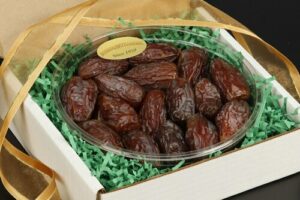
This site takes questions and orders on WhatsApp at +60 17-312 2220, as listed on the Jual Kurma contact page, and its about page says it delivers nationwide. Before confirming, ask for the variety with its origin and the net weight of the box. For soft dates, also ask how the box will be packed for the journey.
When the box arrives
Open it the same day. Rotab and Mazafati go into the fridge at once. Semi-dry dates are less urgent.
One habit is worth keeping whichever seller you use. If a listing leaves out the variety or the weight, skip it and move on to one that doesn't.