
[caption id="attachment_2701" align="alignnone" width="300"]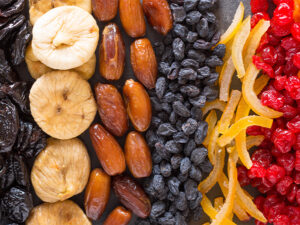 Screen Moment/Stocksy United[/caption]
What a raw day actually looks like
Descriptions of a raw foods diet tend to stay abstract — "eat more fruit and vegetables" — right up until someone actually has to plan a Tuesday. Here's what three meals look like in practice, not in theory.
Breakfast is usually the easiest meal to switch. A blended bowl of banana, frozen berries, and two or three chopped dates for sweetness covers what a bowl of cereal used to do, minus the milk and the box. Top it with raw oats soaked overnight if texture matters more than speed.
Lunch is where most people give up too early, assuming it means a plain salad. It doesn't have to. A large bowl of shredded carrot, cucumber, and cabbage with a tahini-lime dressing, plus a handful of soaked cashews for protein, is closer to a meal than a side dish. Dates chopped into the dressing add sweetness without needing sugar or honey.
Dinner leans on volume — raw eating fills you up on fibre and water rather than fat, so portions need to be bigger than a cooked-meal habit expects. A wide vegetable "noodle" bowl (zucchini or carrot spiralized) with a raw marinara made from blended tomato, sun-dried tomato, and dates for body, plus olive oil and herbs, is filling in a way people don't expect from something with no stove involved.
The snack gap is where diets usually fail
Meals are the easy part to plan. What breaks most attempts is the 4pm gap between lunch and dinner, when the nearest vending machine wins by default. Keep whole dates on hand for exactly that moment — Kurma Ajwa or Mariami both work, soft enough to eat straight from the bag, sweet enough to actually satisfy the craving instead of just delaying it.
None of this needs to start as three raw meals a day. Swapping breakfast first, for a week, is a realistic way in. Stock and prices for Malaysian kurma varieties are on the home page, background on sourcing is on About Us, and bulk orders go through Contact Us.