
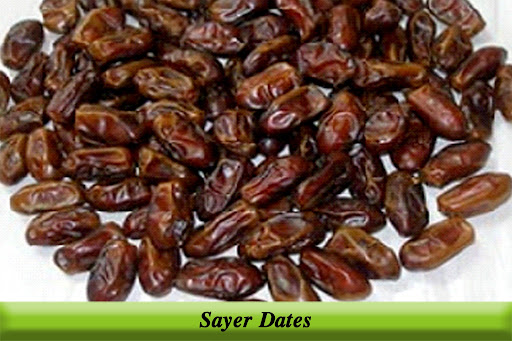
Sayer isn't the date most people reach for as a snack, but it's one of the best for actually cooking with — soft, sticky, and sweet enough that a little goes a long way in a dessert.
The variety comes from Khuzestan in Iran and is picked from around September. Once cured, the flesh is reddish-brown, soft to the point of being almost spreadable, and much sweeter in a deep, molasses-leaning way compared to a firmer eating date. That texture is exactly why Sayer works so well blended into a paste — pit it, add a splash of warm water, and blend until smooth for a natural sweetener that can replace refined sugar in a lot of home baking.
Sayer dates made into dates syrup is one of the simplest kitchen uses: simmer pitted dates with water until soft, blend, then strain for a thick syrup you can drizzle over pancakes, stir into coffee, or use as a glaze. The same base paste works folded into oat bars, rolled into energy balls with nuts, or mixed into a cake batter in place of some of the sugar and part of the fat.
For ice cream or frozen desserts, a small amount of Sayer paste stirred through vanilla or coconut ice cream adds a caramel-like sweetness without needing extra sugar — start with a small spoonful and adjust, since the flavour is stronger than white sugar by volume.
If you're new to cooking with dates, Sayer is more forgiving than a firmer variety since it doesn't need long soaking — a few minutes in warm water is usually enough to soften it for blending. Keep any leftover paste refrigerated in a sealed container; it holds for a couple of weeks.
For comparison, Medjool dates are better for slicing and eating whole, while Sayer is the one to reach for when a recipe calls for a date paste or syrup base. Browse our Sayer Dates category or see more on the home page.