
Most pet hamsters are small, but the dwarfs are very small. The Merck Veterinary Manual, in its pet-owner section, gives the adult Syrian hamster a length of about 6 to 8 inches and a weight of 110 to 140 grams. It says most other pet hamsters are much smaller and are often called dwarf hamsters. This article uses the manual's own numbers to describe the dwarfs, then turns to the care they need.
A description of the dwarf hamsters, by weight and lifespan
The manual lists three pet varieties besides the Syrian: the Chinese hamster, the Russian dwarf and the Roborovski. Its table of hamsters commonly kept as pets reads like this.
- Chinese: dark brown, 40 to 60 grams, living 24 to 36 months.
- Russian dwarf: varied colours, 35 to 50 grams, living 18 to 24 months.
- Roborovski: varied colours with no stripe on the back, 20 to 30 grams, living 36 to 48 months.
So the lightest hamster on the list has the longest lifespan in the table. A Roborovski at 20 grams weighs less than a fifth of the lightest Syrian in the table, yet the manual puts its life at three to four years, against 18 to 36 months for a Syrian.
Hamsters share a few other features. They have cheek pouches that stretch from the cheeks back toward the shoulders, used in the wild to carry food home to the nest. The manual warns that a full pouch can look strange and is easy to mistake for swelling. Scent glands sit in different places: the Blue Cross says Syrian hamsters have them on their flanks, where they look like small dark patches, while dwarf hamsters have them on the stomach, where they can look like little belly buttons. In the wild they live underground, where they sleep, store food and build nests.
One legal point before you buy. The manual notes that keeping some non-Syrian varieties is against the law in certain areas, so check the local rules first.
Housing that copies a burrow
Because wild hamsters live underground, the manual asks for a home with a solid floor, deep bedding and nesting material. The enclosure should be at least 15 centimetres high, and 20 centimetres or more is better because it allows deeper bedding. It should have no sharp edges, no wooden parts the hamster can chew apart, good airflow, and a temperature of about 18 to 26°C.
Bedding should be clean, absorbent, low in dust and easy to replace. Paper bedding and shredded paper are good choices. The manual says to avoid cedar and pine, which can be poisonous, and cotton balls, which can catch on toes. Plain tissues or unprinted paper towels torn into strips make good nesting material, and a small box of sturdy cardboard or wood gives the hamster somewhere to sleep.
Hamsters are usually best housed alone. The manual says adults can become aggressive even if they grew up together, and that adult females in particular can fight over space.
What to feed, and the 10 percent cap
A commercial rat or mouse pellet with 15 to 20 percent protein meets a hamster's needs, and extra vitamins are usually not needed. Small amounts of fruit, vegetables or rodent treats can be given, but the manual caps treats at no more than 10 percent of the diet. Seeds should be limited, because a hamster may fill up on them instead of its pellets. Fresh water must always be there, with the bottle or bowl cleaned often, usually every day.
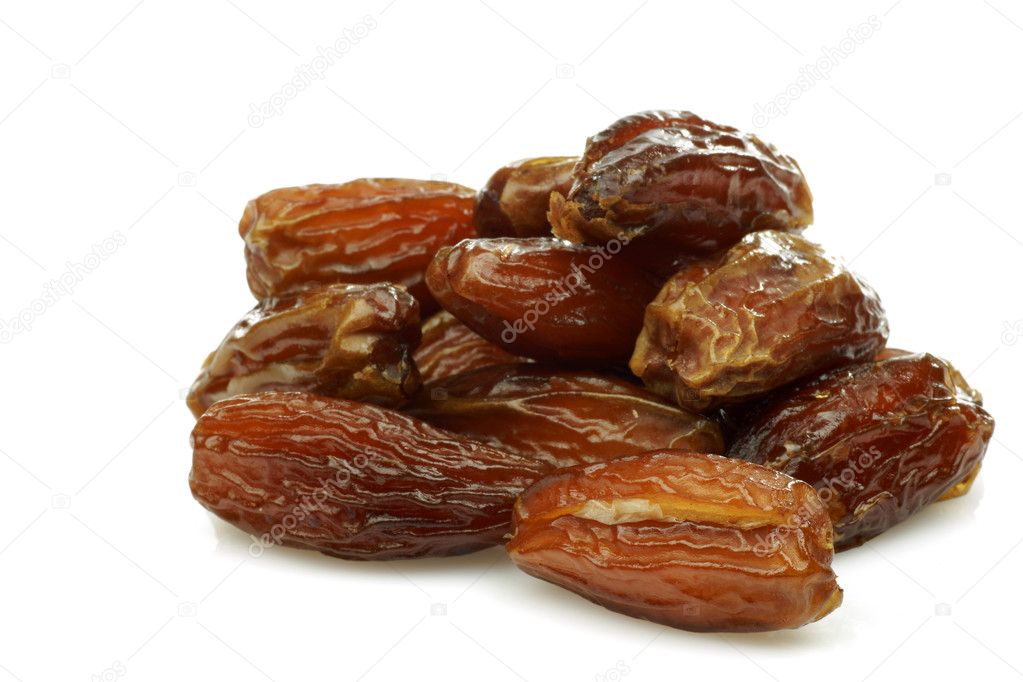
Where do dates fit? The manual does not name them. Dried dates are much sweeter than a vegetable such as carrot. USDA FoodData Central lists 63.4g of total sugars per 100g for Deglet Noor dates, against 4.74g for raw carrots, about 13 times as much. For a pet that weighs 20 to 60 grams, ask a vet before offering any. If the dates in your kitchen came from a seller such as Pemborong Kurma Green Diamond, they were bought as food for people, and the 10 percent cap on treats still applies to the hamster.
Exercise and handling
An exercise wheel should have a solid running surface, not wire, so small feet and toes do not get caught, and it should be big enough for the hamster to use comfortably. Exercise balls are an option if they are the right size, have good airflow and close securely, but the manual says never to leave a hamster in one unsupervised.
Hamsters are nocturnal, awake at night and asleep by day, so play with them or clean around them when they are already awake. To pick one up, slide a hand under its whole body, lift gently, and use the other hand to help it feel secure. The manual adds that hamsters are fragile and their bones can break if dropped, which is why it suggests they may not be the best pets for young children.
About this site
Jual Kurma is a dates site, not a pet shop. Its about page describes supplying kurma to consumers, retailers and traders across Malaysia. For questions or orders, the contact page gives a WhatsApp number, and more articles are on the Jual Kurma blog.